Responsible Gambling in 2026: Recognising Problem Habits When Choosing a Crypto Casino and Where UK Players Can Turn for Support
Responsible Gambling in 2026: Recognising Problem Habits When Choosing a Crypto Casino and Where UK Players Can Turn for Support
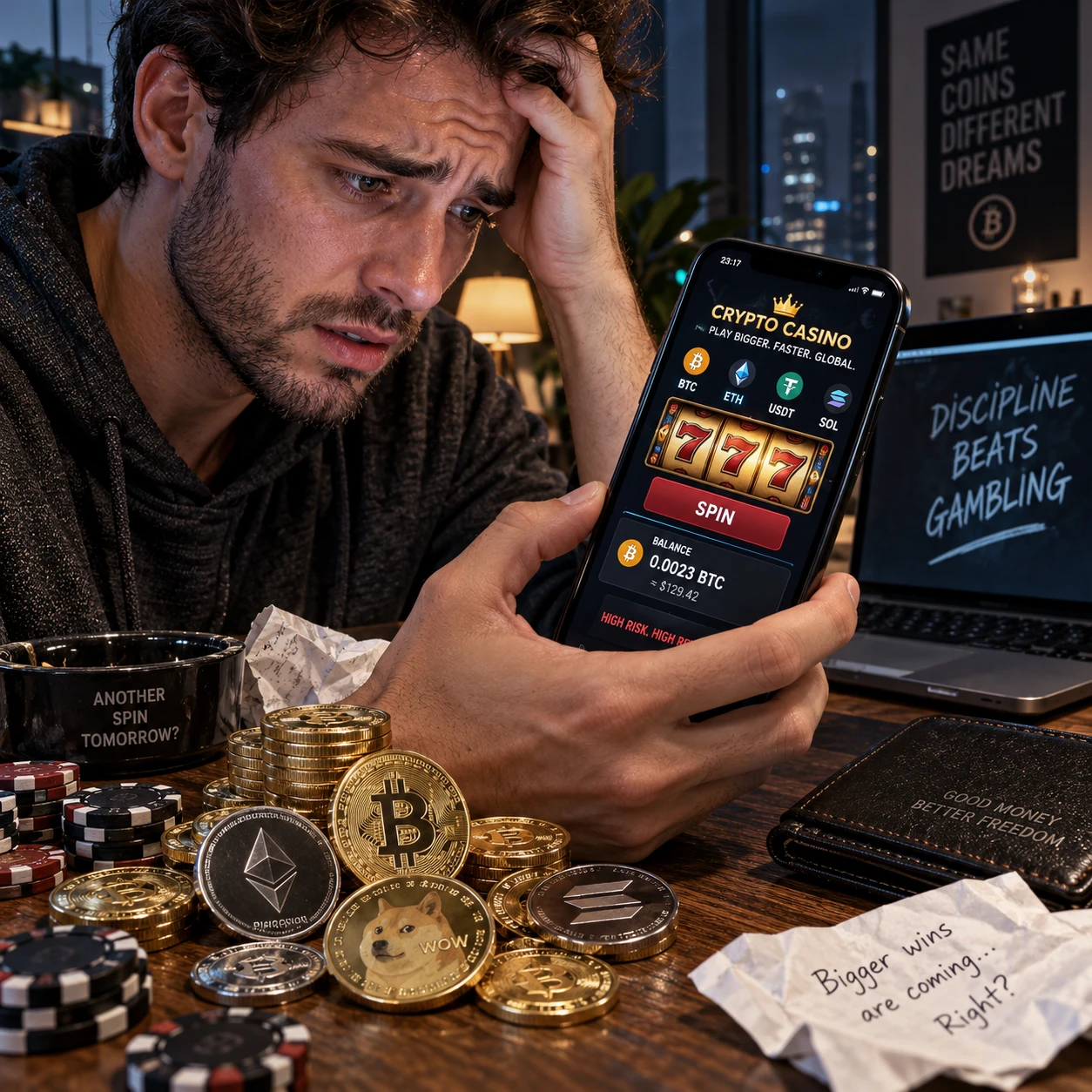
Crypto casinos have well and truly moved into the mainstream of UK online gambling by 2026. Instant deposits. Near-anonymous play. Bonus structures built specifically around Bitcoin, Ethereum, and a growing list of altcoins that didn't even exist a few years back. There's no denying the convenience here—transactions clear in minutes rather than days, and you can log in from pretty much anywhere without the usual banking friction getting in the way.
But that same convenience is exactly why I think it's worth pausing to talk about responsible gambling in a way that's actually relevant to how people gamble now, not how they gambled five or ten years ago. The rules haven't changed. The environment has.
This article has two goals, really. First, I want to help you think more critically about how you pick a platform, what red flags to look for in your own habits, and how crypto specifically changes the risk picture. Second, I want to point UK readers toward the support options available to them in 2026—not just the traditional helplines, but also newer, complementary approaches like life coaching, which I think deserves more attention than it currently gets in gambling conversations.
What Responsible Gambling Looks Like in the Crypto Casino Era
Responsible gambling has always meant setting limits, knowing when to stop, and treating betting as entertainment rather than income. Simple enough on paper. What's changed with crypto casinos is the environment surrounding those decisions—when deposits and withdrawals happen almost instantly, and platforms are accessible 24/7 without the usual pauses that traditional banking introduces, the natural 'cooling off' moments just... disappear.
You don't wait three business days for a withdrawal to clear your mind anymore. You can be back in the game within seconds.
Traditional safeguards like deposit limits and self-exclusion schemes were designed with fiat currency and regulated UK operators in mind. They still matter—don't get me wrong—but they need adapting. A deposit limit set in GBP doesn't always translate cleanly when you're funding an account with a volatile cryptocurrency that might be worth 15% more or less than when you checked it yesterday.
Why Crypto Casinos Present New Challenges
Several factors make crypto gambling genuinely different from a risk perspective. Anonymity is a big one—many crypto platforms don't require the same level of identity verification as UK-licensed operators, which can make self-exclusion harder to enforce in practice. Some platforms operate from jurisdictions with lighter regulatory oversight, meaning the player protections you'd expect from a UKGC-licensed site simply aren't guaranteed.
Then there's the psychological blur between investing and gambling, which I think gets underestimated. When you're moving crypto between a wallet and a casino account, it can start to feel less like 'spending money' and more like 'shuffling assets.' That reframing softens the emotional weight of a loss in a way that doesn't happen when you watch your actual bank balance drop.
Recognising the Warning Signs of Problem Gambling Habits
Problem gambling rarely announces itself. It creeps in through small behavioural shifts that feel justifiable in the moment—each one on its own looks harmless. Some of the most common signs I'd encourage UK players to watch for include:
- Chasing losses by increasing bet size or frequency to 'win back' what's gone
- Hiding gambling activity from partners, family, or friends
- Checking wallet balances more often than checking in on actual responsibilities—work, bills, relationships
- Using gambling sessions as a primary way to manage stress, boredom, or anxiety
- Feeling irritable or anxious when unable to access a casino account
Crypto-Specific Red Flags
Beyond the general warning signs, crypto gambling introduces its own particular patterns worth noticing. Frequent transfers between your main wallet and an exchange specifically to fund betting sessions is one. Obsessively tracking coin price volatility and timing your deposits or withdrawals around it—essentially gambling on the gambling—is another, and it's more common than you'd think.
Because crypto values fluctuate constantly, many players find it genuinely difficult to set a meaningful spending limit. £50 worth of a coin today might be £65 or £35 worth tomorrow. That instability makes self-regulation harder than it sounds—you're not just managing your behaviour, you're managing a moving target.
How to Evaluate and Choose Platforms Responsibly
When picking a platform, licensing should be your first filter. Look for operators that hold a UK Gambling Commission licence or an equivalent recognised regulatory body, even if they also accept crypto. Transparent, provably fair RNG systems, visible responsible gambling tools like self-exclusion and deposit caps, and genuine community reviews (not just affiliate marketing dressed up as reviews) are all signs of a platform that actually takes player wellbeing seriously.
That said—I'll be honest—the process of comparing bonuses, reading reviews, and hunting for the supposed best crypto casino can itself become a bit of a rabbit hole. I've heard from readers who've spent hours bouncing between comparison sites, chasing the 'perfect' welcome offer, long before they've placed a single bet. If you notice that happening to you, it's worth stepping back and asking whether the search itself has become the compulsive behaviour.
This is actually where a service like life coaching comes in—offering support specifically geared toward helping players regain perspective, build healthier routines, and make more balanced decisions around their gambling choices, rather than getting swept up in the endless comparison cycle.
Where UK Players Can Find Support
The good news is that UK players aren't short on options when it comes to support. It's just a matter of knowing what's out there and what actually fits your situation.
National Helplines and Regulated Services
GamCare remains one of the most established UK charities for gambling support, offering free counselling, online chat, and a dedicated helpline. The National Gambling Helpline operates alongside this, providing confidential advice around the clock. GambleAware funds treatment and education programmes across the country and is a solid starting point if you're unsure where to look first.
For practical self-exclusion, GAMSTOP allows UK players to block themselves from licensed gambling sites—though it's worth noting this doesn't always extend cleanly to offshore crypto platforms. Which is, honestly, another reason personal vigilance matters so much in this space.
Life Coaching as a Complementary Support Option
Life coaching isn't a replacement for clinical treatment, and it's not positioned that way. It's a different kind of support altogether. Rather than diagnosing a condition, a coach works with you on practical habit-building, accountability structures, and goal-setting.
For someone in the earlier stages of noticing problematic patterns—before things have escalated to a point requiring formal therapy—coaching can offer a structured, judgment-free way to rebuild routines, set boundaries around screen time and spending, and stay accountable to someone outside your immediate circle. Many players find this approach sits comfortably alongside more traditional support, rather than instead of it.
Practical Tips for Safer Crypto Gambling in 2026
A few habits can genuinely make a difference, and none of them require much effort to start. Set hard deposit and session time limits before you even log in, not after you've started playing. Consider using a cold wallet to keep your savings physically separate from any funds earmarked for gambling, so there's a real barrier between the two—not just a mental one.
Schedule regular digital detox periods, even a few days a week with no casino apps open at all. And if possible, involve a trusted friend, family member, or coach who can check in with you honestly about your habits without judgment.
Frequently Asked Questions
Is crypto gambling legal and regulated in the UK?
Crypto gambling itself isn't illegal, but regulation varies by operator. UK players should prioritise platforms licensed by the UK Gambling Commission, as many offshore crypto casinos operate outside UK regulatory protections.
How do I self-exclude from crypto casinos?
GAMSTOP covers UK-licensed sites effectively, but offshore or unlicensed crypto platforms may not honour it. In those cases, requesting self-exclusion directly from the operator and using browser-blocking software can add an extra layer of protection.
Can life coaching really help with gambling habits?
Yes, particularly for early-stage habit concerns. Coaching focuses on accountability, routine-building, and perspective, which complements clinical support rather than replacing it.
What's the difference between problem gambling and gambling addiction?
Problem gambling typically refers to behaviour that's starting to cause noticeable harm—financial strain, relationship tension, or emotional distress—but hasn't necessarily reached clinical addiction. Gambling addiction is a diagnosable condition involving compulsive behaviour that persists despite serious consequences, usually requiring professional treatment.
Crypto casinos aren't going anywhere in 2026, and there's nothing wrong with enjoying them as a form of entertainment. What matters is staying honest with yourself about the warning signs, choosing platforms that actually prioritise player protection, and knowing that support exists in more forms than ever—whether that's a regulated helpline, a self-exclusion scheme, or a life coach helping you rebuild healthier habits one step at a time. UK players genuinely have more resources available than they might realise. The key, as always, is reaching out before a habit becomes harder to unwind.